
Rehabilitation Techniques for Active Living
Comprehensive evidence-based methods to restore mobility, strengthen your body, and reclaim your active lifestyle through guided movement and personalized recovery programs
Key Features of Our Approach
Evidence-based rehabilitation techniques designed for sustainable recovery and active living
Guided Movement
Professional guidance through therapeutic exercises and kinesiotherapy ensures safe, controlled movement patterns. Our approach emphasizes biomechanics of movement to help you move with confidence and proper form, reducing injury risk and maximizing recovery outcomes.
Joint Mobility Support
Dedicated focus on improving joint mobility through joint gymnastics and remedial exercises. We develop individualised programs targeting flexibility and range of motion, helping you restore natural movement patterns and maintain healthy joint function for daily activities.
Core Strengthening
Systematic muscle strengthening and core development programs form the foundation of rehabilitation. We focus on building functional strength that supports your spine, improves posture, and enhances stability for all your daily movements and activities.
Evidence-Based Medicine
All our techniques are grounded in clinical research and modern rehabilitation science. We follow current evidence-based practices ensuring your recovery program is backed by proven methods rather than unverified approaches, giving you confidence in your treatment plan.
Personalized Approach
Your recovery journey is unique. We develop individual programs tailored to your specific condition, goals, and lifestyle. Physical assessment and ongoing evaluation ensure your rehabilitation plan adapts as you progress toward restored mobility and active living.
Safe Recovery
Safety is paramount throughout your rehabilitation. Expert guidance from qualified specialists ensures proper progression, preventing re-injury and complications. We emphasise tension relief, muscle spasm management, and careful discomfort reduction for sustainable healing.
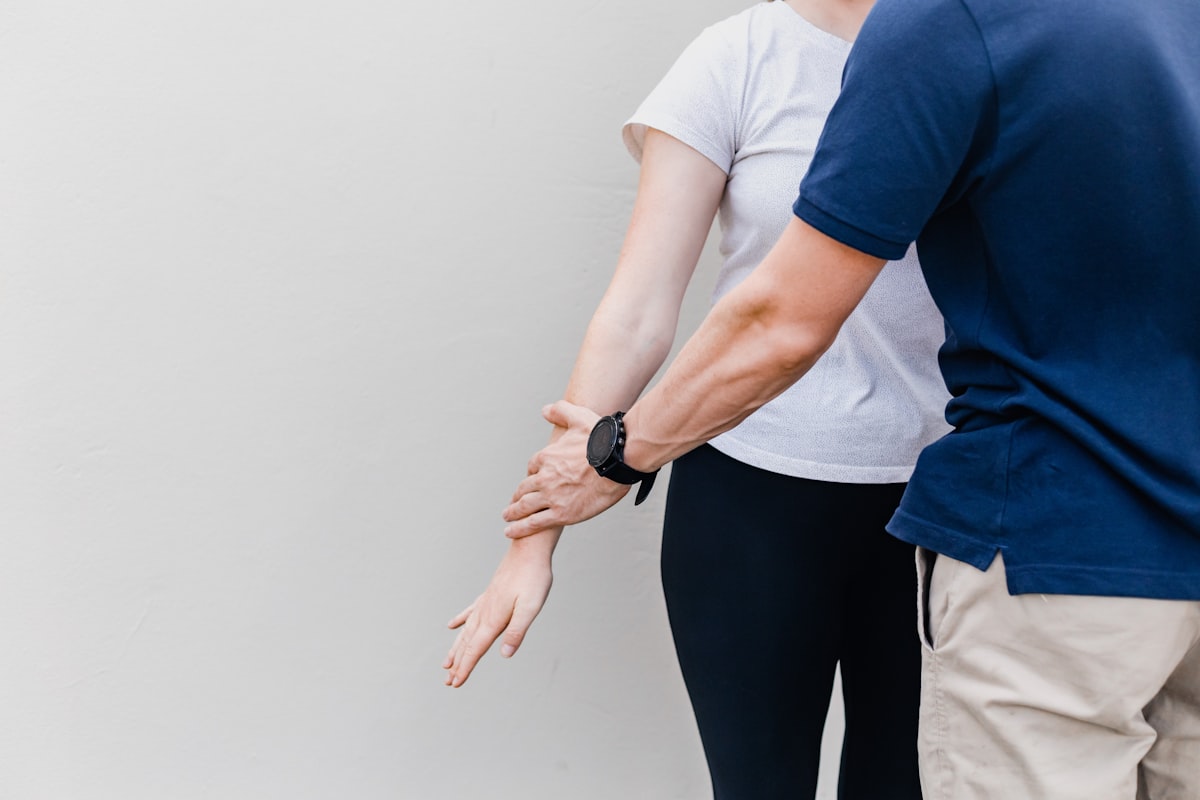
Comprehensive Rehabilitation Benefits
Our evidence-based rehabilitation approach delivers measurable improvements across multiple dimensions of physical health and function. From the initial assessment through long-term recovery, we focus on sustainable adaptation and meaningful progress.
Enhanced Mobility Support
Restore independence in movement and daily activities through progressive therapeutic exercise protocols designed for your specific recovery needs.
Balance and Coordination
Improve proprioception and coordination through targeted exercises that strengthen stabiliser muscles and enhance body awareness.
Discomfort Reduction
Systematic pain relief through evidence-based techniques including stretching, muscle tone regulation, and muscle spasm relief methods.
Prevention and Adaptation
Learn proper movement patterns and healthy posture to prevent future issues and adapt successfully to your active lifestyle demands.
Your Rehabilitation Journey
A structured, evidence-based pathway from assessment to active living restoration
Physical Assessment
Comprehensive evaluation of your movement patterns, joint mobility, muscle strength, and flexibility. Your qualified specialist identifies specific restrictions and develops a baseline for measuring progress throughout recovery.
Individual Program Design
Personalised rehabilitation plan created based on assessment findings, your recovery goals, and lifestyle demands. Program includes therapeutic exercises, kinesiotherapy, and adaptations specific to your condition and capacity.
Guided Implementation
Expert-guided movement sessions teach proper form and safe progression. Your specialist monitors technique, manages discomfort, and ensures exercises are performed correctly for maximum benefit and injury prevention.
Progressive Advancement
Systematic progression through rehabilitation phases as your strength, flexibility, and coordination improve. Exercises evolve to match your advancing capacity, preventing plateaus and maintaining engagement toward active living goals.
Maintenance and Prevention
Transition to sustainable home-based routines that maintain gains and prevent re-injury. Education in healthy posture, movement biomechanics, and self-management ensures long-term success in your active lifestyle.
Evidence-Based Techniques Explained
Our rehabilitation methods are grounded in clinical research and modern movement science. Each technique targets specific aspects of recovery, from restoring joint mobility to rebuilding functional strength.
Therapeutic Exercises
Targeted movements designed to improve strength, flexibility, and coordination. Each exercise is selected based on your specific assessment and integrated progressively into your program for measurable improvement.
Kinesiotherapy
Systematic use of movement and exercise as treatment. This clinical approach uses prescribed movements to restore function, manage discomfort, and prevent complications through guided, evidence-based protocols.
Joint Gymnastics
Specialised exercises targeting joint mobility and range of motion. These techniques safely improve movement capacity while reducing stiffness and tension in affected joints through controlled, progressive loading.
Stretching and Flexibility
Comprehensive flexibility programmes address muscle tension and tightness. Structured stretching protocols improve range of motion and support healthy posture while reducing muscle spasm and facilitating discomfort relief.

Recovery Through Rehabilitation
Real examples of movement restoration and active living reclaimed through evidence-based rehabilitation
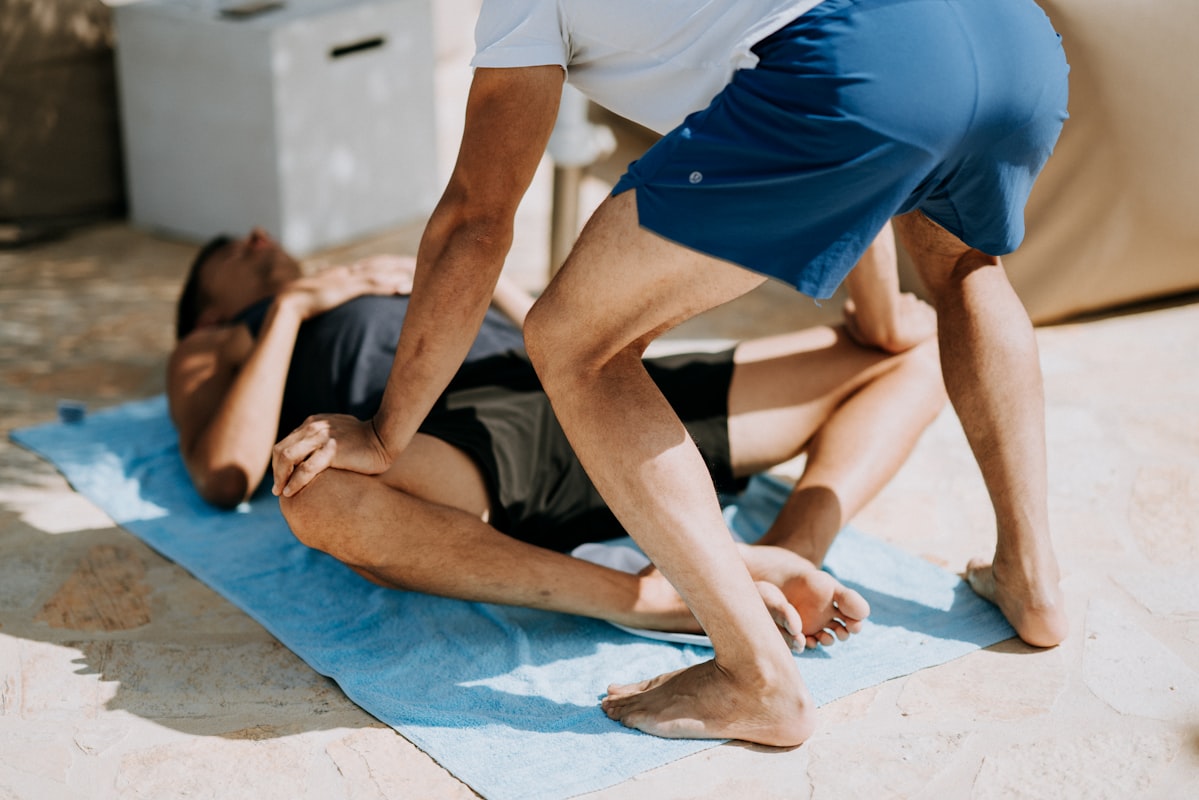
Restored Mobility
Through systematic joint mobility exercises and guided therapeutic movement, individuals regain independence in daily activities. Progressive rehabilitation restores confidence in movement and enables return to valued activities.
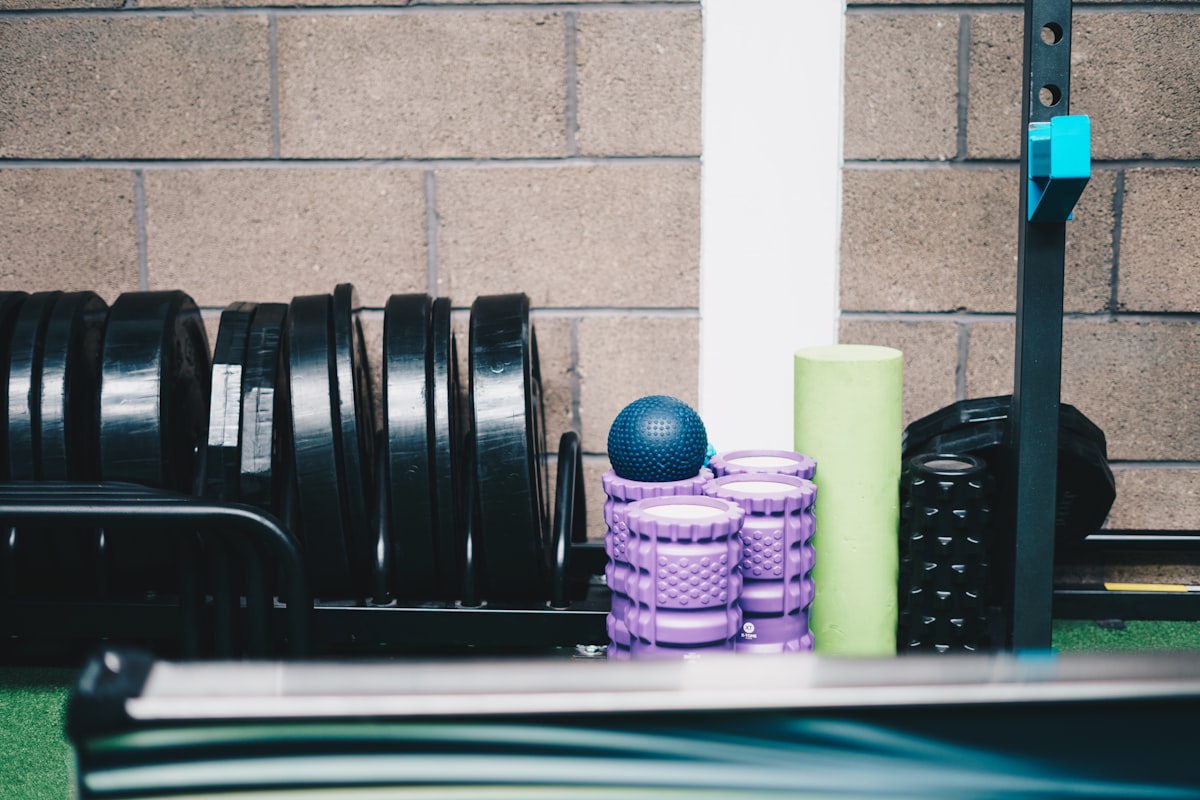
Strength Recovery
Core strengthening and functional muscle development programmes rebuild capacity for daily tasks. Evidence-based exercise protocols systematically improve strength, endurance, and the ability to sustain activity without fatigue or discomfort.
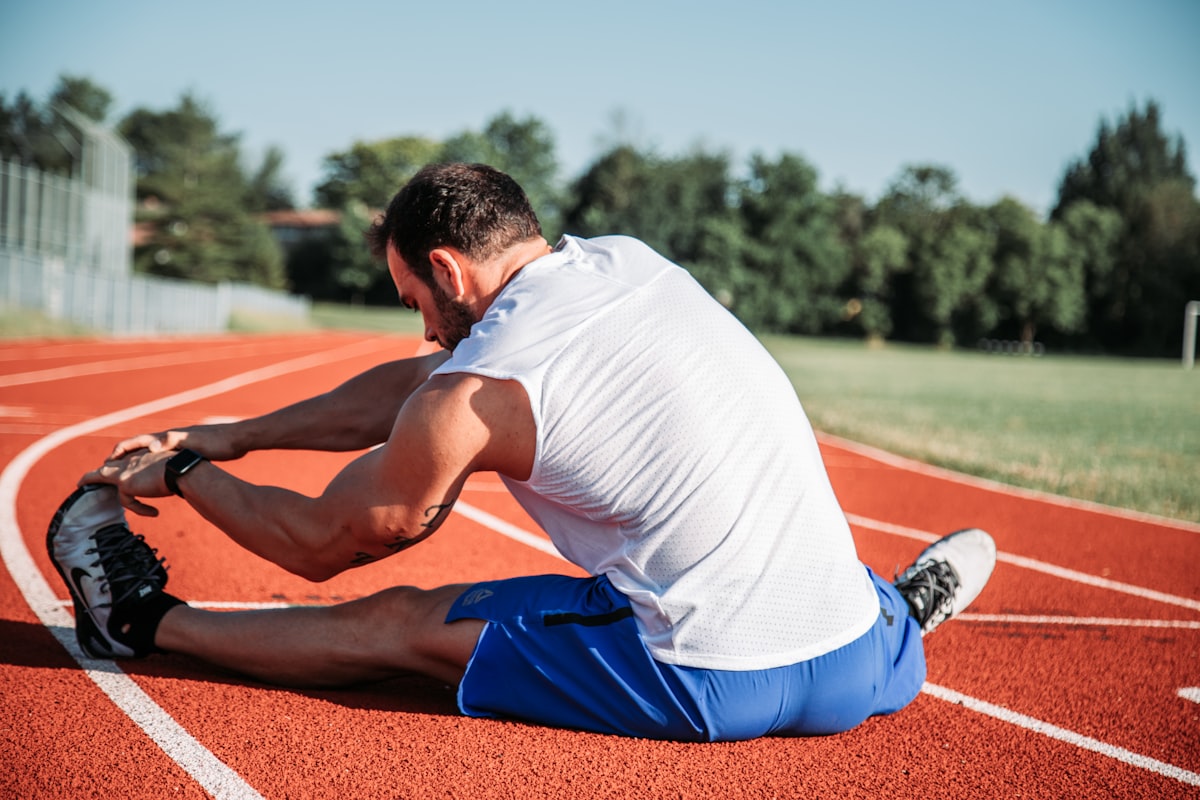
Balance Enhancement
Coordination and balance development through targeted therapeutic exercises improves stability and movement confidence. Participants develop better proprioception and body awareness, reducing fall risk and enabling safe, active participation.
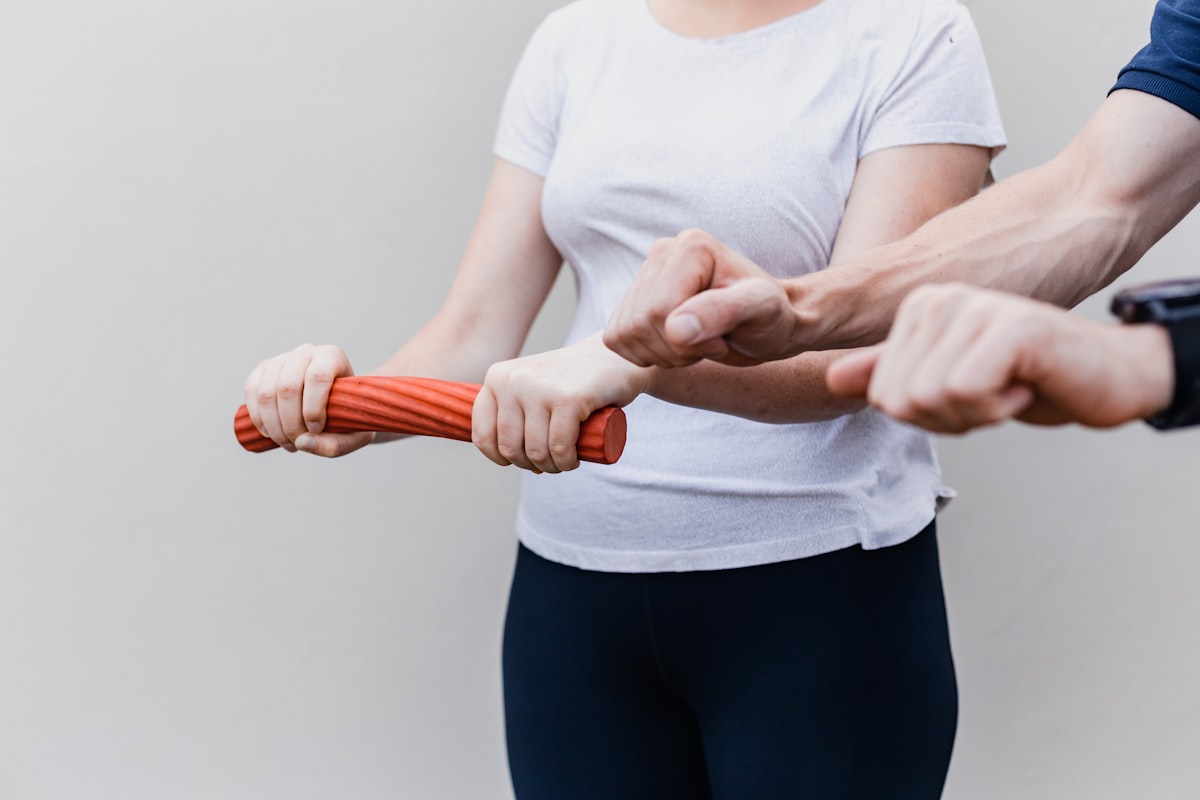
Healthy Posture
Posture improvement through biomechanics education and core strengthening reduces strain and discomfort. Individuals learn proper movement patterns that support long-term spinal health and prevent complications from poor alignment habits.
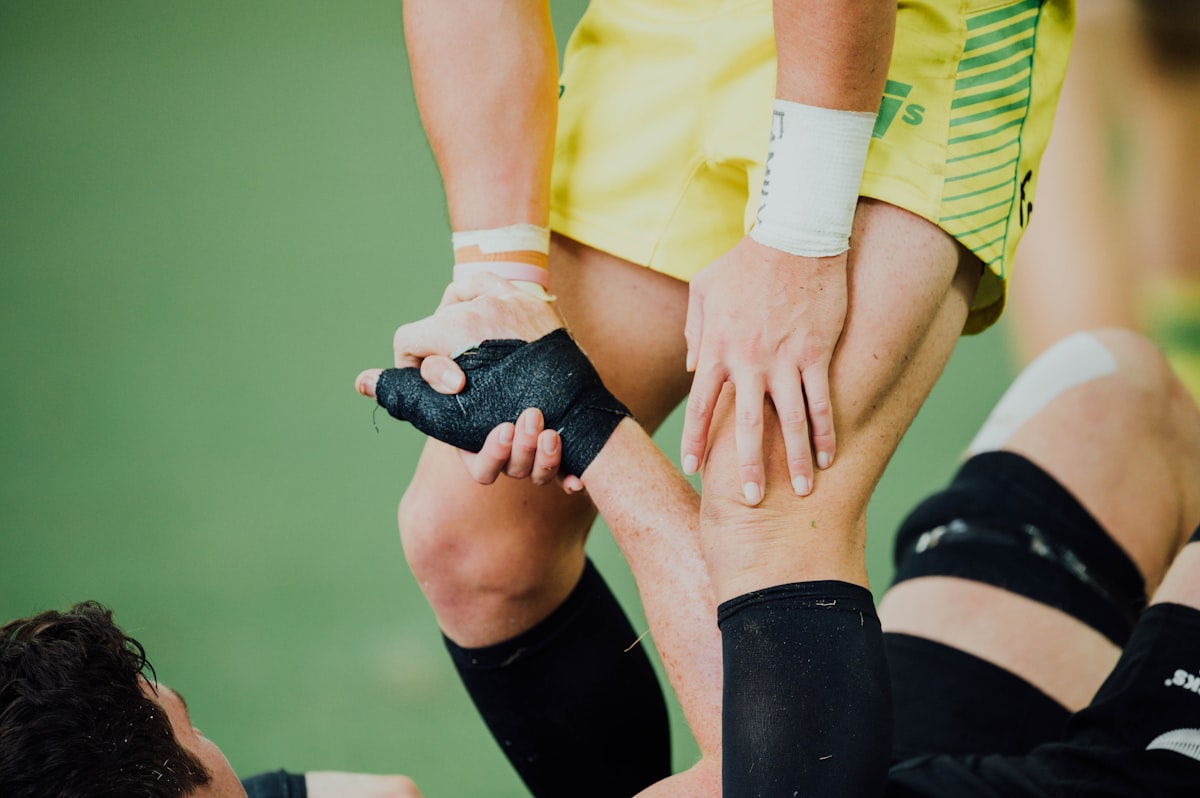
Discomfort Relief
Systematic pain management through therapeutic exercises, stretching, and muscle spasm relief techniques provides measurable discomfort reduction. Progressive rehabilitation addresses root causes rather than temporary symptom suppression.
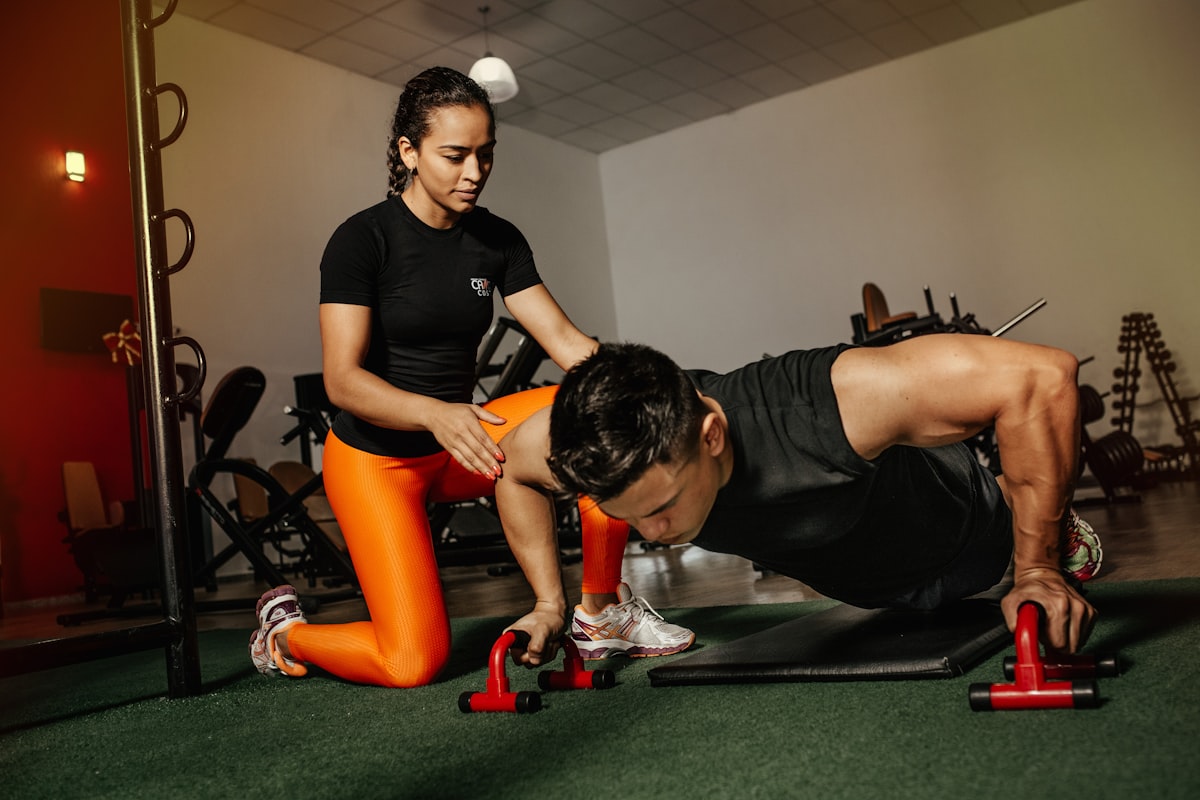
Active Living Return
Comprehensive rehabilitation enables return to sports, hobbies, and physical activities. Through progressive strengthening, technique refinement, and personalized adaptation, individuals reclaim their active lifestyle with confidence and sustainable function.
Why Evidence-Based Rehabilitation Matters
Comparison of approaches to recovery and rehabilitation
| Aspect | Evidence-Based Rehabilitation | Unguided Approaches |
|---|---|---|
| Assessment | Comprehensive physical evaluation before programme design | Generic exercises without individual assessment |
| Personalisation | Individual programme tailored to your specific condition and goals | One-size-fits-all approach for everyone |
| Safety | Expert guidance ensures proper form and injury prevention | Risk of improper technique and complications |
| Progression | Systematic advancement based on measurable progress | Unpredictable progress, potential plateaus |
| Scientific Basis | Grounded in clinical research and movement science | Lacks scientific validation and clinical evidence |
| Professional Support | Qualified specialist guidance throughout recovery journey | No professional oversight or feedback |
Common Rehabilitation Questions
Answers to key questions about our evidence-based approach
Recovery timeline varies significantly based on your individual condition, severity, and commitment to the programme. Some individuals experience measurable improvements within weeks, while comprehensive functional restoration may require several months of consistent, guided therapeutic work. Your specialist will provide realistic expectations during initial assessment and adjust timelines as progress is demonstrated. Regular monitoring ensures your programme remains appropriately challenging without risking re-injury or complications.
Yes. Evidence-based rehabilitation produces meaningful results regardless of how long you've experienced limitations. Chronic conditions may require longer adjustment periods, but systematic therapeutic exercise and guided movement frequently restore function even in long-standing cases. The key is consistent, properly-designed work with qualified guidance. Your specialist assesses your current capacity and designs a programme that safely advances your recovery from your present baseline, not from when symptoms began. Many individuals experience significant improvement after extended periods of limitation through dedicated evidence-based rehabilitation.
A comprehensive rehabilitation approach addresses interconnected movement patterns. Your specialist prioritises which areas require initial focus based on assessment findings, then systematically integrates work on secondary areas. Often, improvements in primary areas naturally facilitate improvements elsewhere due to better overall movement mechanics and posture. The individualised programme balances addressing multiple limitations while preventing overwhelming your recovery system. Your therapist explains this prioritisation and adjusts focus as your body progresses.
Progress is measured through multiple indicators: improved range of motion, increased strength capacity, enhanced balance and coordination, reduced discomfort levels, and restored ability to perform daily activities. Your specialist conducts periodic physical assessments documenting measurable changes. You'll also notice subjective improvements like easier movement, increased confidence in activities, better posture awareness, and reduced muscle tension. Regular feedback about progress maintains motivation and allows programme adjustments. If expected progress isn't occurring, your therapist modifies the approach based on assessment data rather than continuing unproductive work.
A comprehensive programme includes: initial physical assessment identifying limitations and capacity, specific therapeutic exercises targeting your needs, kinesiotherapy and guided movement instruction, flexibility and stretching work, strengthening progressions, posture and biomechanics education, home-based routines for consistency, periodic re-assessment tracking progress, and adjustments based on response to treatment. Your specialist also explains your condition and recovery process, ensuring you understand why each component matters for your restoration to active living.